
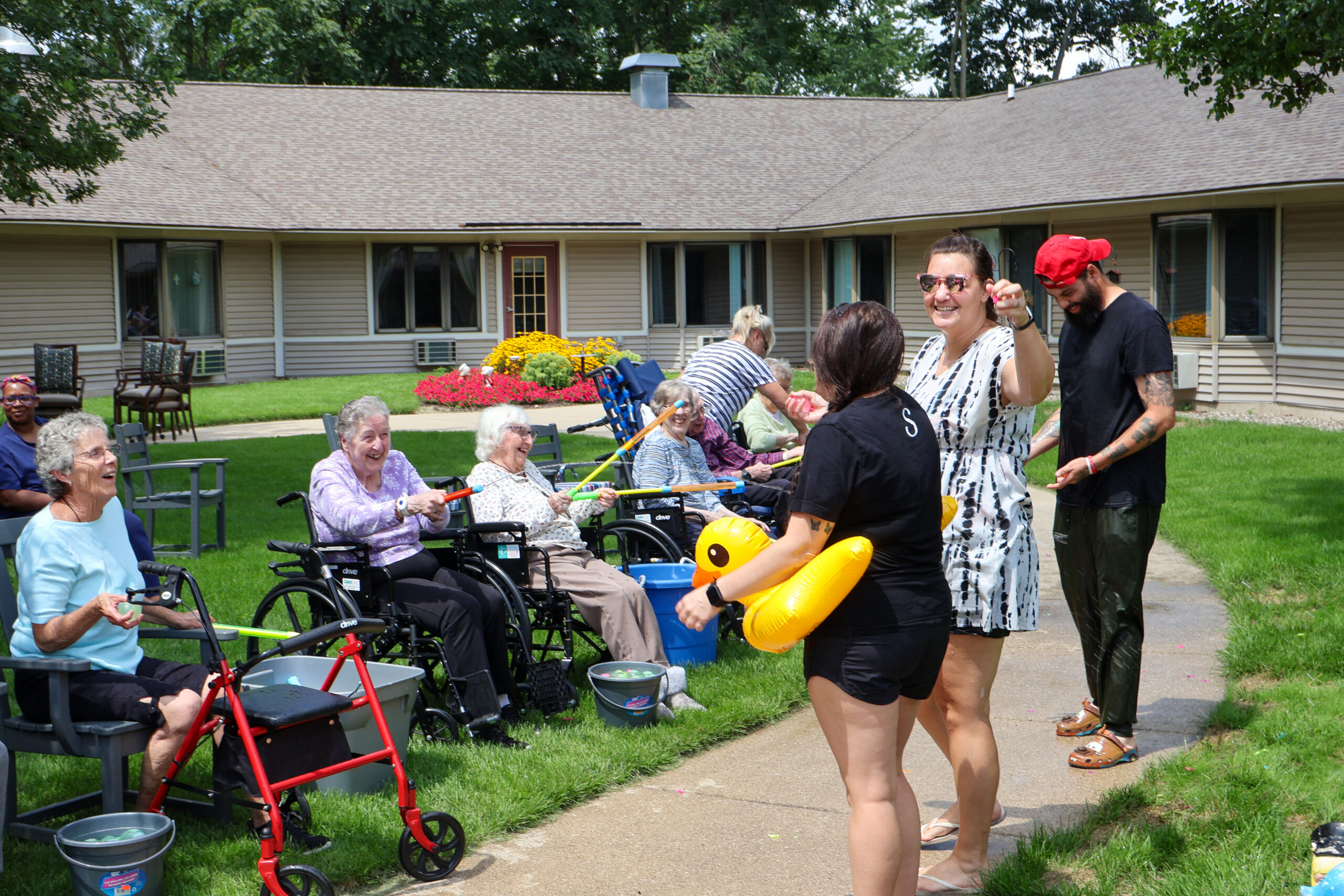
One of the most vital aspects of well-being at any age is social connection. And for many older adults, this becomes increasingly difficult as we age. Our social circles tend to become smaller as health issues arise and mobility decreases, which can lead to loneliness – an epidemic in the senior population. It’s estimated that one-third of older adults experience loneliness or social isolation and while moving into an assisted living community can feel like a major life transition, it oftentimes brings with it the benefit of community. In this blog, we’ll explore how an assisted living community fosters a sense of community with its residents.
Why Community Matters
Social isolation in older adults has been shown to increase the risk of several health conditions, including heart disease and depression, as well as cognitive decline. The community aspect of assisted living addresses these challenges by creating an environment where social connection is encouraged and supported.
Keys to Fostering a Sense of Community
1. Shared Spaces
When it comes to the design of an assisted living community, many are arranged in a way that creates intentional spaces that naturally encourage socialization. Some examples you’ll see when touring include:
- Large dining rooms where residents can enjoy meals together.
- Indoor lounge areas with plenty of comfortable furniture to provide a homelike atmosphere that encourages residents to spend time outside of their rooms.
- Outdoor patios with raised garden beds and outdoor furniture to provide an outdoor space that welcomes social connections.
- An activity room that can bring together residents with shared interests.
2. Daily Activities
One of the best ways to foster community in an assisted living setting is through structured daily programming. While these activities can oftentimes look like “just things to do,” consider them more as tools for building relationships. Not only does daily programming create a sense of shared structure, which builds community, but it also encourages shared experiences. With consistent participation, lasting friendships will naturally form within the assisted living community.
3. Dining
Dining is known throughout the world as being a cornerstone of socialization and human connection and that does not just stop when you move into an assisted living community. In fact, the dining experience might be even MORE important for older adults. Rather than eating alone, residents gather around tables to enjoy meals, chat, and share stories. And for new residents, mealtimes are essential as they provide a natural space to form their first friendships.
4. Celebrating Life Together
Milestone events like holidays, birthdays, and anniversaries are regularly celebrated in assisted living communities. These events bring both residents and staff together to create positive memories and lasting connections. Sometimes milestone events even encourage intergenerational connections when families visit. Celebrations often include music, decorations, games, and a sweet treat.
5. Supportive Staff
Compassionate and consistent staff play a huge role in creating community as they often serve as the connection between residents. Staff members will gently encourage residents to participate in activities and help those who might be shy or hesitant. Staff members oftentimes become like family, as they provide not only care, but friendship and emotional support as well.
Assisted Living at Sunset
The benefits of community within assisted living go far beyond just feeling good. Residents in socially connected environments experience total care of their body, mind, and spirit. They experience improved mood, higher levels of physical activity, better cognitive function, and much more! Experience life at a social assisted living community! All three of our campuses within Sunset Senior Communities offer assisted livings services. If you are interested in more information or would like to schedule a tour, please fill out our website contact form today.